

Livermore Real Estate Guide for Families and Investors
Livermore Real Estate Guide for Families and Investors
Livermore, California, offers a compelling mix of suburban comfort, regional access, and long-term housing potential. Located in the Tri-Valley area east of the San Francisco Bay, the city is known for its strong sense of community, attractive neighborhoods, wineries, parks, and highly regarded schools. For families and investors alike, Livermore real estate provides several opportunities—but understanding the local market is essential before making a move.
Why Livermore Appeals to Families
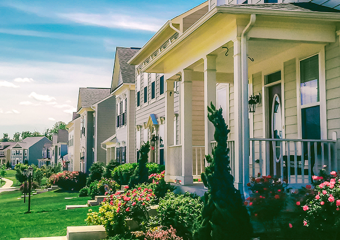
Livermore is often chosen by families seeking more space and a quieter lifestyle without giving up convenient access to major employment centers. The city features a variety of residential settings, from established neighborhoods with mature trees to newer developments with modern amenities.
Schools and Community Life
Education is a major consideration for families evaluating Livermore real estate. The Livermore Valley Joint Unified School District serves local students and includes elementary, middle, and high schools throughout the area. Parents should review individual school boundaries, enrollment policies, and performance information because attendance zones can vary by neighborhood.
Beyond schools, Livermore offers a strong community atmosphere. Families can enjoy:
- Numerous public parks and sports fields
- Youth recreation programs
- Libraries and community events
- Local farmers markets and festivals
- Family-friendly restaurants and shopping areas
The city’s downtown district adds to its appeal, with walkable streets, independent businesses, restaurants, and seasonal events.
Neighborhood Considerations
Each Livermore neighborhood has a different character, price range, and housing mix. Buyers should consider lifestyle needs, commute patterns, and future plans when comparing areas.
Established neighborhoods may offer larger lots, mature landscaping, and older homes with distinctive architectural details. These properties can provide charm and space but may require updates to kitchens, bathrooms, roofs, or electrical systems.
Newer communities often feature energy-efficient construction, open floor plans, and shared amenities. However, buyers should carefully review homeowners association fees, community rules, and the size of the lot.
Location also matters. Homes near schools, parks, shopping, and major commuter routes may attract strong demand. At the same time, proximity to busy roads, rail lines, or commercial areas can affect noise levels and resale considerations.
Livermore Real Estate for Investors
Investors may find Livermore attractive because of its established employment base, limited housing supply, and appeal to long-term residents. The city is home to technology, science, research, healthcare, education, and professional services employers. Its location near Interstate 580 and regional transportation options also supports commuter demand.
Potential Investment Strategies
Different property types can support different investment goals:
- Single-family rentals: These may appeal to households seeking yards, privacy, and access to local schools.
- Townhomes and condominiums: Lower purchase prices in some areas may make them suitable for investors targeting professionals or smaller households.
- Multi-unit properties: Duplexes and similar properties can offer multiple income streams, though inventory may be limited.
- Fix-and-hold opportunities: Older homes may create potential for value improvement through careful renovations.
Before purchasing, investors should calculate more than the monthly mortgage. Important expenses can include property taxes, insurance, maintenance, vacancy periods, utilities, management fees, and homeowners association dues. Local rental regulations and California landlord-tenant laws should also be reviewed with qualified professionals.
Market Factors Buyers Should Watch
Like many Bay Area communities, Livermore’s housing market can change with interest rates, employment trends, inventory levels, and broader economic conditions. A home that appears affordable based on the listing price may become significantly more expensive after financing, insurance, taxes, and repairs are included.
Buyers should compare:
- Recent sales of similar properties
- Average time homes spend on the market
- Price reductions and competitive offer activity
- Property condition and estimated renovation costs
- Long-term neighborhood development plans
A local real estate professional can help interpret market data and identify differences between neighborhoods that may not be obvious from online listings.
Practical Tips for Buying in Livermore
Families and investors can improve their decision-making by preparing before touring homes or submitting offers.
- Obtain mortgage preapproval and establish a realistic budget.
- Research school boundaries and commute times.
- Review property disclosures carefully.
- Schedule professional inspections.
- Estimate ongoing maintenance and ownership costs.
- Study comparable sales instead of relying only on the asking price.
- Consider how the property may perform if plans change.
For investors, a detailed cash-flow analysis is especially important. Conservative assumptions about rent, vacancy, repairs, and financing can provide a clearer picture of the property’s potential.
Final Thoughts
Livermore real estate offers a balanced combination of community amenities, housing variety, and regional accessibility. Families may appreciate the parks, schools, and suburban atmosphere, while investors may be drawn to steady rental demand and long-term growth potential. Whether purchasing a primary residence or an income property, success depends on careful research, realistic budgeting, and a clear understanding of local conditions.