
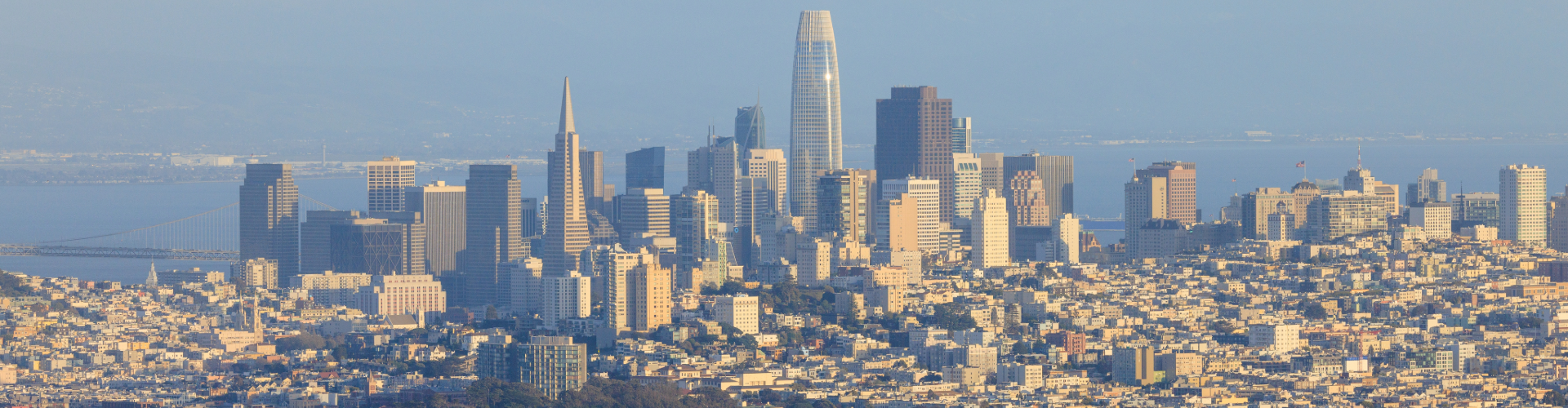

2026 San Francisco Real Estate Forecast: Trends and Competition
San Francisco Real Estate Outlook: Price Trends, Competition, and 2026 Forecast
San Francisco, often celebrated for its iconic Golden Gate Bridge, diverse culture, and vibrant tech scene, also features one of the most dynamic real estate markets in the world. This blog post provides a glimpse into the present state of the San Francisco real estate market, explores competition levels, and forecasts trends leading up to 2026.
Current Market Overview
San Francisco’s real estate market has consistently been a topic of interest for both buyers and investors, characterized by high demand and equally high prices. Despite economic disturbances globally, San Francisco has maintained its allure, thanks to its strong economic drivers, including tech, finance, and healthcare.
Price Trends in San Francisco
In recent years, property prices in San Francisco have soared, with median home prices hovering well above the national average. The city’s limited land availability and strict zoning laws contribute to the steep prices. Despite a slight cooling off during the pandemic, market recovery has been swift, marking a steady climb in housing costs in 2023.
Average Home Prices
- 2023: The median home price remains steady, reflecting minimal change from late 2022.
- Historical Trend: Over the past decade, home prices have nearly doubled.
Competition in the Market
San Francisco’s real estate market is notoriously competitive. A combination of high demand and low inventory creates a fast-paced market where properties often receive multiple offers and sell above the listing price.
Buying Strategies
- Pre-approval: Essential for moving quickly in a competitive market.
- All-cash offers: Increasingly common and can give buyers a competitive edge.
Forecasting into 2026
Looking forward to 2026, various factors will influence the trajectory of real estate prices in San Francisco. Predictions hinge on economic health, technology sector stability, and urban policy changes.
Economic Factors
The robust tech industry in San Francisco continues to be a major economic driver, attracting a highly skilled workforce and maintaining demand for housing. However, any major shifts in this sector could impact real estate values significantly.
Tech Industry Impact
Given the concentration of tech companies in and around San Francisco, their performance significantly influences local real estate. A thriving tech sector spells a higher demand for housing, while a downturn might ease prices slightly but not drastically, given the enduring appeal of the region.
Policy Changes
Urban development and zoning laws could play a pivotal role in shaping the market. Any relaxation in zoning could increase housing supply, potentially stabilizing prices. However, San Francisco’s historical stance on development suggests significant changes may be limited.
2026 Price Predictions
Considering the aforementioned factors, here are some potential scenarios for 2026:
- Optimistic Scenario: With a thriving economy and stable tech sector, median home prices could see an increase of 10-15% from 2023 levels.
- Pessimistic Scenario: Economic downturn or significant tech sector layoffs could lead to a stabilization or minor drop in home prices, perhaps by up to 5-10%.
- Most Likely Scenario: Moderate economic growth with steady tech sector performance and slight policy adjustments could result in a 5-8% increase in home prices.
Conclusion
San Francisco’s real estate market remains a solid, albeit pricey, investment. The city’s continuous draw, coupled with its economic fundamentals, suggests that while the market may experience fluctuations, it will continue to grow, albeit at potentially varying rates. Prospective buyers and investors should keep a keen eye on economic indicators and policy developments as they navigate this competitive landscape. As always in San Francisco, timing, knowledge, and preparation are key to capitalizing on real estate opportunities.