
Bay Area Luxury Market Report: Trends, Prices, and Expert Insights
Bay Area Luxury Market Report: Trends Shaping High-End Real Estate
The Bay Area luxury market continues to attract attention from buyers, sellers, investors, and industry professionals. Defined by limited land, globally recognized technology and finance sectors, and a diverse collection of highly desirable communities, the region remains one of the most important luxury real estate markets in the United States.
While market conditions can vary significantly by city and property type, high-end buyers continue to prioritize location, privacy, architectural quality, and lifestyle amenities. At the same time, sellers are facing a more selective audience that expects exceptional presentation and realistic pricing.
A Market Defined by Limited Inventory
One of the most consistent characteristics of the Bay Area luxury market is constrained inventory. Desirable properties in locations such as San Francisco, Silicon Valley, Marin County, and the East Bay are not easily replicated. Geography, zoning regulations, historic neighborhoods, and limited waterfront and hillside parcels all contribute to scarcity.
Luxury buyers may spend months searching for the right home because the available selection is often narrow. This is especially true for properties that combine several sought-after features, including:
- Expansive views of the bay, city, or surrounding hills
- Large lots with privacy and mature landscaping
- High-quality construction and architectural distinction
- Home offices, wellness spaces, and entertainment areas
- Proximity to top schools, cultural destinations, and transportation
- Outdoor living areas suitable for year-round use
Because truly exceptional homes remain limited, well-positioned properties can continue to command strong interest even when the broader market becomes more balanced.
Buyers Are More Selective
Luxury buyers today are often financially well qualified, but they are also more analytical. Rather than purchasing solely based on size or prestige, many are evaluating the long-term value, functionality, and operating costs of a property.
Energy efficiency has become increasingly important, particularly in newly built or substantially renovated homes. Buyers may look for solar systems, battery storage, efficient heating and cooling, smart-home technology, and high-performance windows. Resilience features, including backup power and fire-conscious landscaping, can also influence purchasing decisions in parts of the region.
Design matters as well. Modern luxury buyers often prefer homes that offer a balance between open gathering spaces and private retreats. Flexible rooms that can function as offices, gyms, guest suites, or creative studios add practical value in addition to visual appeal.
Regional Differences Remain Significant
The Bay Area is not a single market. Each community has its own characteristics, pricing dynamics, and buyer profile.
San Francisco
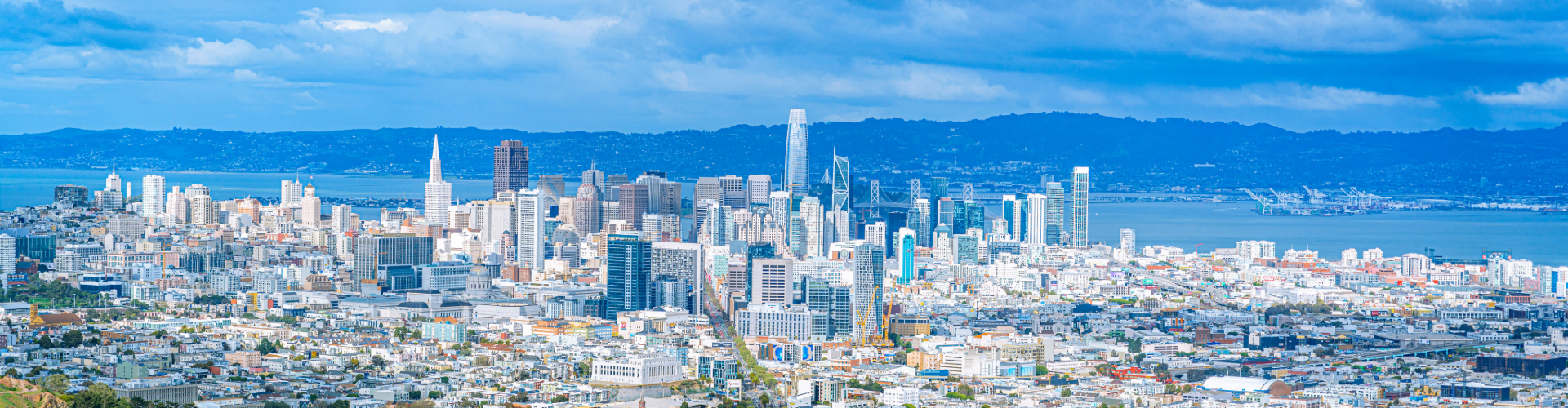
San Francisco luxury real estate continues to appeal to buyers seeking architectural character, walkability, cultural amenities, and city views. Classic homes in neighborhoods such as Pacific Heights, Presidio Heights, and Sea Cliff can attract significant attention when they are well maintained and thoughtfully updated.
The city’s luxury segment is also highly property-specific. A beautifully renovated home with parking, outdoor space, and strong natural light may perform very differently from a property requiring extensive work.
Silicon Valley
The Peninsula and Silicon Valley remain closely connected to entrepreneurship, technology, and executive employment. Buyers often place a premium on privacy, commute convenience, modern design, and indoor-outdoor living.
Communities such as Palo Alto, Los Altos, Atherton, and Menlo Park are known for limited inventory and highly competitive demand for top-tier properties. Homes with exceptional lots, new construction, and proximity to major employment centers tend to receive the strongest interest.
Marin County
Marin County attracts buyers looking for natural beauty, larger properties, and a quieter lifestyle while maintaining access to San Francisco. Waterfront residences, view homes, and architecturally distinctive properties can command a premium, particularly when they offer privacy and high-quality outdoor spaces.
The East Bay
Luxury communities in the East Bay, including Piedmont, Berkeley, Oakland Hills, and select areas near the waterfront, offer a combination of architectural character, views, and relative value compared with some neighboring markets. Buyers may be drawn to larger homes and lots, though location, condition, and neighborhood amenities remain central to pricing.
What Sellers Should Know
In a more discerning market, presentation is critical. Luxury buyers expect professional photography, compelling marketing, detailed property information, and a polished showing experience. Deferred maintenance or dated interiors can reduce interest, even when a home is located in a highly desirable neighborhood.
Pricing strategy is equally important. An ambitious listing price can lead to extended market time and weaken a property’s negotiating position. Sellers should review comparable sales, current competition, renovation quality, and broader economic conditions before setting expectations.
The strongest listings typically combine:
- Accurate pricing based on current market evidence
- Strategic preparation and staging
- High-quality visual marketing
- Clear communication about improvements and ownership benefits
- A launch plan designed to create early interest
Outlook for the Luxury Market
The Bay Area luxury market is likely to remain resilient because of its limited supply, international appeal, and concentration of high-income professionals. However, the market may continue to reward quality over quantity. Exceptional properties in prime locations should remain sought after, while homes with functional, design, or pricing challenges may require more time and flexibility.
For buyers and sellers alike, local expertise is essential. Broad regional headlines rarely capture the differences between individual neighborhoods, price ranges, and property categories. A careful analysis of current inventory, recent sales, and buyer demand provides the clearest understanding of value in this complex and competitive market.